
Art therapy for Adults
Twelve-week sessions with flexible material options and ongoing review offer a personalized approach for each client's needs.
Sessions are done on a weekly basis for 12 weeks. At week 11 the client will discuss with Tori if another set of 6 is necessary or if it is in the clients best interest for the sessions to come to an end on week 12.
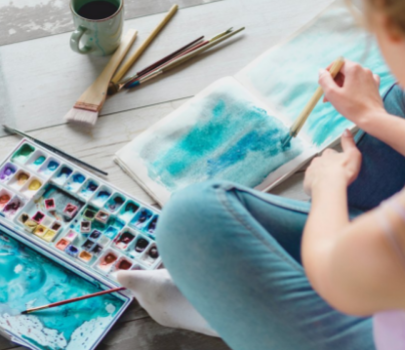
Materials available for adults:
- Paint pens
- Water colours
- Inks
- Clay
- Print making
- Pencil
- weaving and various textiles
- modeling clay
- Collage materials
- Acrylic paints
- Slime making
- crafting materials and projects
As well as many more materials which is updated on a weekly basis. If there is a material or art medium that isn't currently supplied in the room, adjustments can be made to order the said supplies for the next session.
How an Art Therapy Session for Adults Works
In art therapy, sessions are typically held weekly over a period of twelve weeks. During this time, we’ll work together to assess your progress and decide if additional sessions are needed. The focus is on the process of creating art, whether it's shapes, drawings, collages, fabric, or clay, rather than on the final product. This encourages creative exploration and self-expression, providing you with a safe space to explore your feelings.
For some adults, using art directives, structured art exercises, can be particularly helpful when seeking a direct understanding of their emotions, situation, or inner conflict. These activities are designed to provide clear insights and reflections on specific issues or challenges. However, for some clients, these focused exercises may feel too emotional or intense. It’s important to note that art therapy is flexible, and we can adapt the approach based on what feels right for you.
Art can also be used alongside verbal conversations to explore and process difficult topics. While discussing a challenge or issue, the art therapist guides you with reflective questions, helping you explore the deeper meaning behind your artwork. Using the materials during these moments of reflection allows you to self-regulate, providing a calming focus as you talk about emotionally charged subjects. The combination of art-making and guided dialogue offers a balanced way to navigate complex feelings, helping you gain a deeper understanding of your inner world while maintaining a sense of control and grounding throughout the process.
Art Therapy for Children and Young People
Through structured 12-week sessions, children and young people explore emotions with flexible art materials, creating a supportive space tailored to their needs.
Sessions are done on a weekly basis for 12 weeks. At week 11 the client will discuss with Tori if another set of 6 is necessary or if it is in the clients best interest for the sessions to come to an end on week 12.
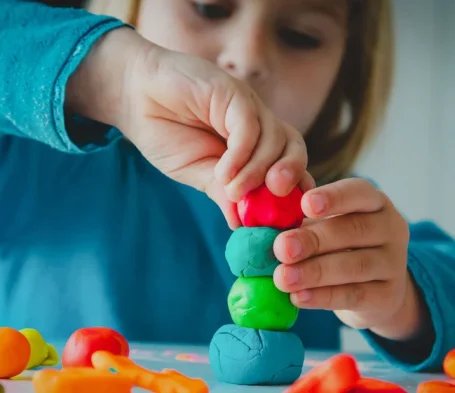
Materials available for Children and Young People:
- Markers and crayons
- Water-based paints
- Air-dry clay
- Collage materials (stickers, magazines, colored paper)
- Pipe cleaners, goggly eyes, and crafting supplies
- Beads and yarn for simple weaving
- Puppets and play-dough
- Mask making supplies
- Slime
- Glitter
- Paints
- Crafting
- Balloons
A wide range of materials is available, updated regularly to spark creativity. If a child is interested in a specific medium not currently available, arrangements can be made to bring it in for the next session.
These activities can be adjusted based on each child’s needs, creating a supportive space where they feel safe to explore their thoughts and feelings through art.
Art Therapy is especially beneficial for children and young people, who may lack the words or understanding to fully express their feelings. Through art, they can communicate in ways that feel natural and accessible, bridging the gap between their inner experiences and the world around them. I work in both directive and non-directive ways, adapting to each client's unique needs and abilities.
How Children and Young People Can Use Art Therapy Sessions
Every child is different, and art therapy is designed to meet them where they are. Children and young people can use sessions in a variety of ways, depending on their comfort level, personality, and needs:
Talking directly about worries or challenges: Some children prefer to express their feelings through conversation alongside their artwork, using sessions as a safe space to discuss what is troubling them.
Using art to communicate feelings: For many children, creating art provides a way to express emotions that may be difficult to put into words. Art directives, prompts, or free creative expression allow them to explore and share their inner experiences safely.
Exploring issues indirectly through art: Some children may find it too overwhelming to talk directly about a problem. Engaging with the artwork allows them to approach sensitive topics gently, giving them control and space while still processing difficult emotions.
Collaborative and interactive support: Some children benefit from the therapist’s guidance through modling openness, healthy emotional expression, and positive interactions. Together, therapist and child can work collaboratively, using creative tasks to navigate challenges, develop coping strategies, and build resilience.
Tailored, flexible approach: Sessions can combine these methods depending on the child’s needs. The goal is always to provide a safe, supportive environment where children can explore, process, and develop skills to support their emotional wellbeing.
A safe space to explore, express, and heal
Client Range
I have worked with a diverse range of clients, from children as young as 4, through teens, to adults, supporting them and their families through a wide variety of challenges. My experience includes grief and bereavement, childhood and complex trauma, anxiety, depression, suicidal thoughts, self-harm, eating difficulties, and mental health conditions such as OCD, ADHD, and ASD. I have also supported clients navigating identity formation, bullying, school avoidance, life crises, and relationship difficulties. My approach is tailored to each individual, providing a safe, creative space to explore emotions, develop coping strategies, and build resilience, whether the challenges are developmental, social, emotional, or psychological in nature.